
No products in the cart.
-
Hexarelin Peptide Vial
Price range: $17.31 through $34.64 Select options This product has multiple variants. The options may be chosen on the product page -
CJC-1295 No DAC Peptide Vial
Price range: $17.53 through $78.34 Select options This product has multiple variants. The options may be chosen on the product page -
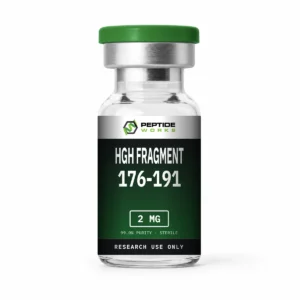
HGH Fragment 176-191 Peptide Vial
Price range: $22.26 through $74.25 Select options This product has multiple variants. The options may be chosen on the product page -
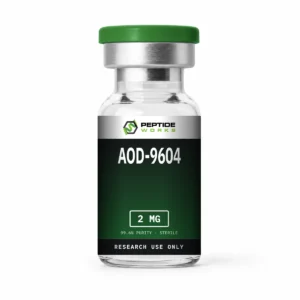
AOD-9604 Peptide Vial
Price range: $21.77 through $76.42 Select options This product has multiple variants. The options may be chosen on the product page